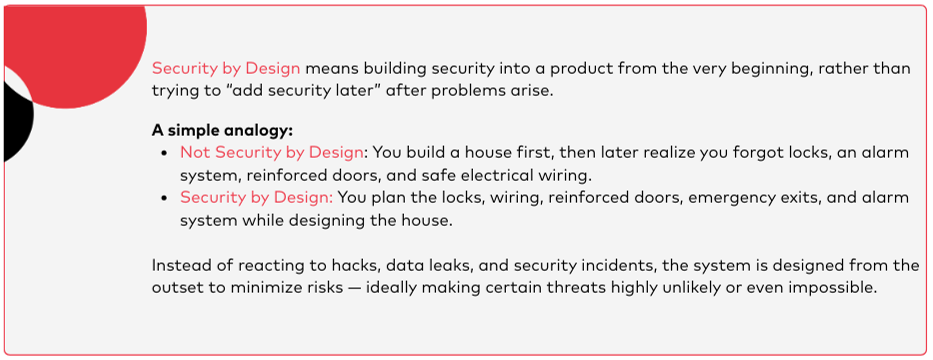
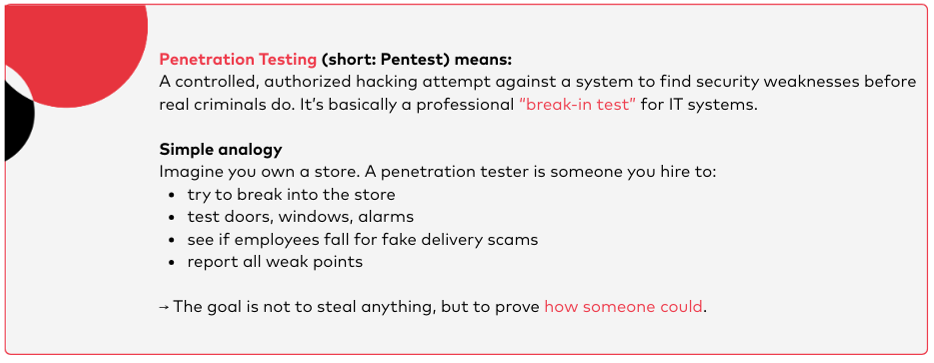
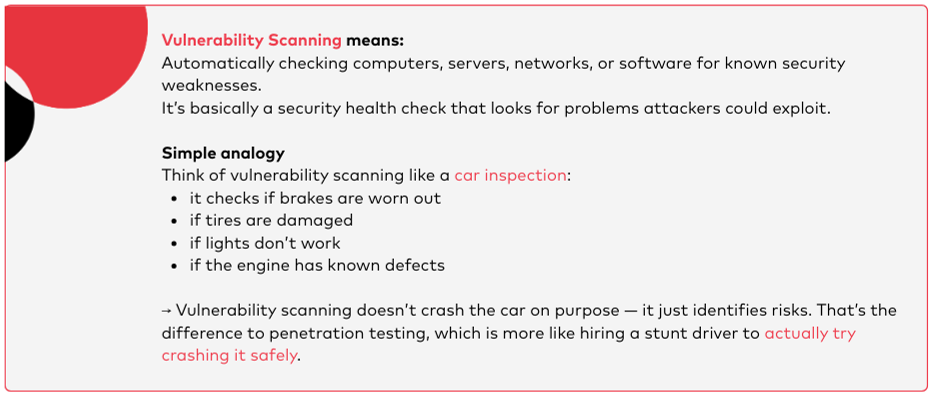
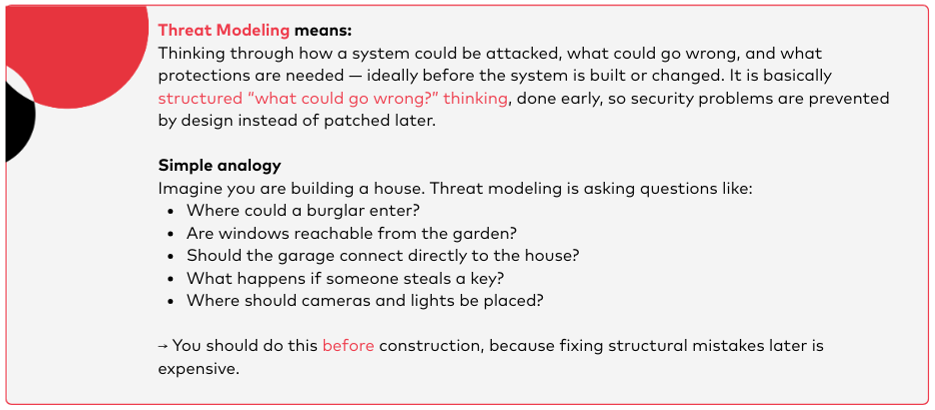
This proactive approach works well for greenfield projects. But what happens when the field is not so green? Many MedTech organizations have legacy medical devices – products built years ago under older rules – that now require new regulatory submissions or updates. Often, these submissions are unrelated to cybersecurity, yet they get delayed or rejected because the device fails to meet today’s cybersecurity regulations.
The majority of connected medical devices in use today would not satisfy the U.S. FDA’s latest cybersecurity requirements if submitted for approval now; in fact, over 53% of connected medical and IoT devices in hospitals have known critical vulnerabilities. A vast number of devices on the market do not meet current FDA cybersecurity expectations, raising serious concerns for patient safety and compliance.*¹
This issue is not confined to the United States. Thousands of legacy medical devices in Europe face a similar predicament under new EU rules. Under the EU Medical Device Regulation (MDR), many existing (legacy) devices that were approved under older directives must be re-certified. As of 2023, applications for MDR certification surged from 1’661 in 2020 to 14’539 in 2023, yet only 4’873 certificates had been issued, leaving almost 10’000 products (mostly legacy devices) still waiting for certification.
In other words, many legacy devices risk being pulled from the EU market if they cannot achieve MDR certification in time. Switzerland, which aligns closely with EU regulations, faces similar challenges ensuring older devices meet updated requirements. Meanwhile, new devices continue to enter the market: the FDA clears roughly 3’000–3’500 new device submissions per year via its 510(k) program.
This means regulators and healthcare providers face a two-fold challenge: integrating thousands of new medical devices each year while millions of older devices without modern security features remain in use.*²
The scale of the legacy device problem is significant. A 2021 survey found 73% of healthcare providers still rely on equipment running on legacy systems. In the United States alone, IBM estimated hospitals house 10–15 million medical devices (about 10–15 devices per patient bed), and a significant portion of these operate on outdated or unsupported software.
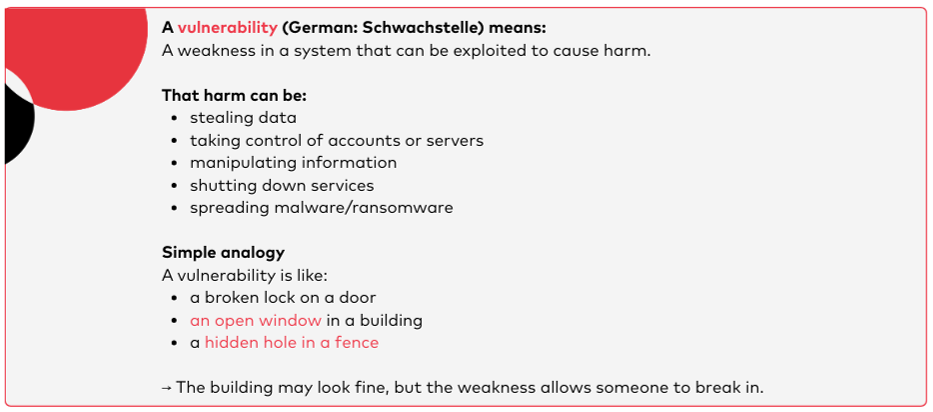
Many of these aging devices lack secure design:
- they run obsolete operating systems
- use hardcoded passwords
- weak authentication
- cannot be easily patched or updated.
A device cleared 20 years ago might use encryption that was state-of-the-art at the time but is now considered insecure – and its hardware may not even support modern encryption algorithms. Replacing every legacy device with a brand-new model is often impractical due to cost, time, and the need to avoid disrupting patient care.
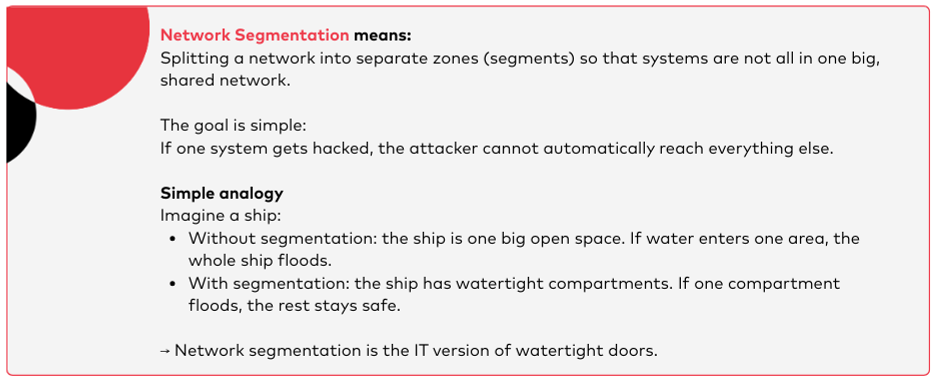
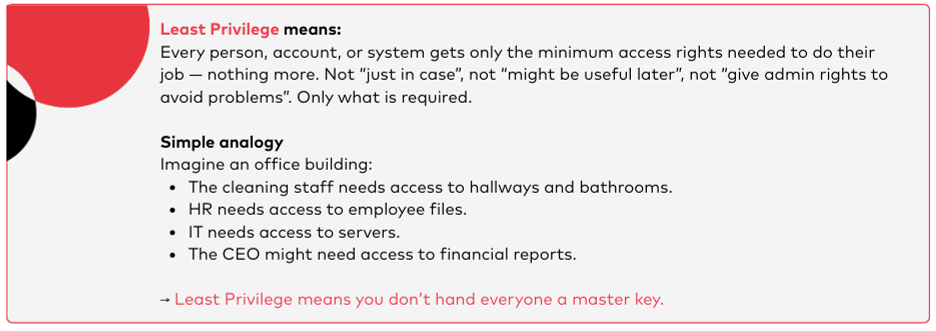
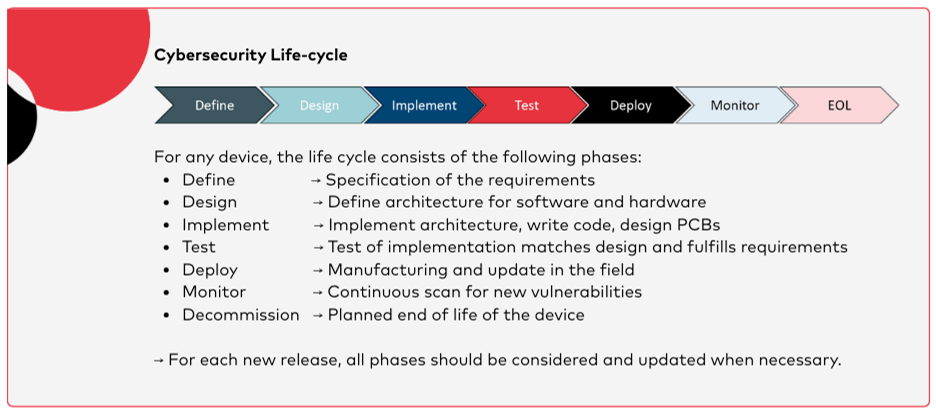
Therefore, organizations are looking for ways to retrofit cybersecurity into legacy medical devices. Below, we highlight five key techniques to update a legacy device’s architecture and practices to meet today’s cybersecurity regulations – without a complete ground-up redesign (which we consider as a last resort if everything else fails).
Here at IMT, we hear from a lot of customers that they face these challenges right now, and we are happy to assist you with this challenge.